
How to Tackle Common Hot Water Heater Issues in Your West Boylston Home
Updated: Apr 23
Isn't it frustrating when you step into the shower, and the water is anything but hot? In West Boylston, where winter can bite hard, a malfunctioning hot water heater can make life uncomfortable. Understanding how to troubleshoot your water heater issues not only saves you money but also gives you peace of mind. In this guide, we'll unravel common problems and offer DIY solutions to keep your heater humming along smoothly. Are you ready to become a water heater whisperer?
Key Takeaways
Recognize the essential components and functions of your hot water heater
Identify common problems like leaks, noises, and inconsistent heating
Discover DIY solutions for basic water heater repairs and maintenance
Understand when it's time to call in the professionals
Learn safety tips and explore tools for efficient home repairs
Understanding Your Hot Water Heater and Its Components
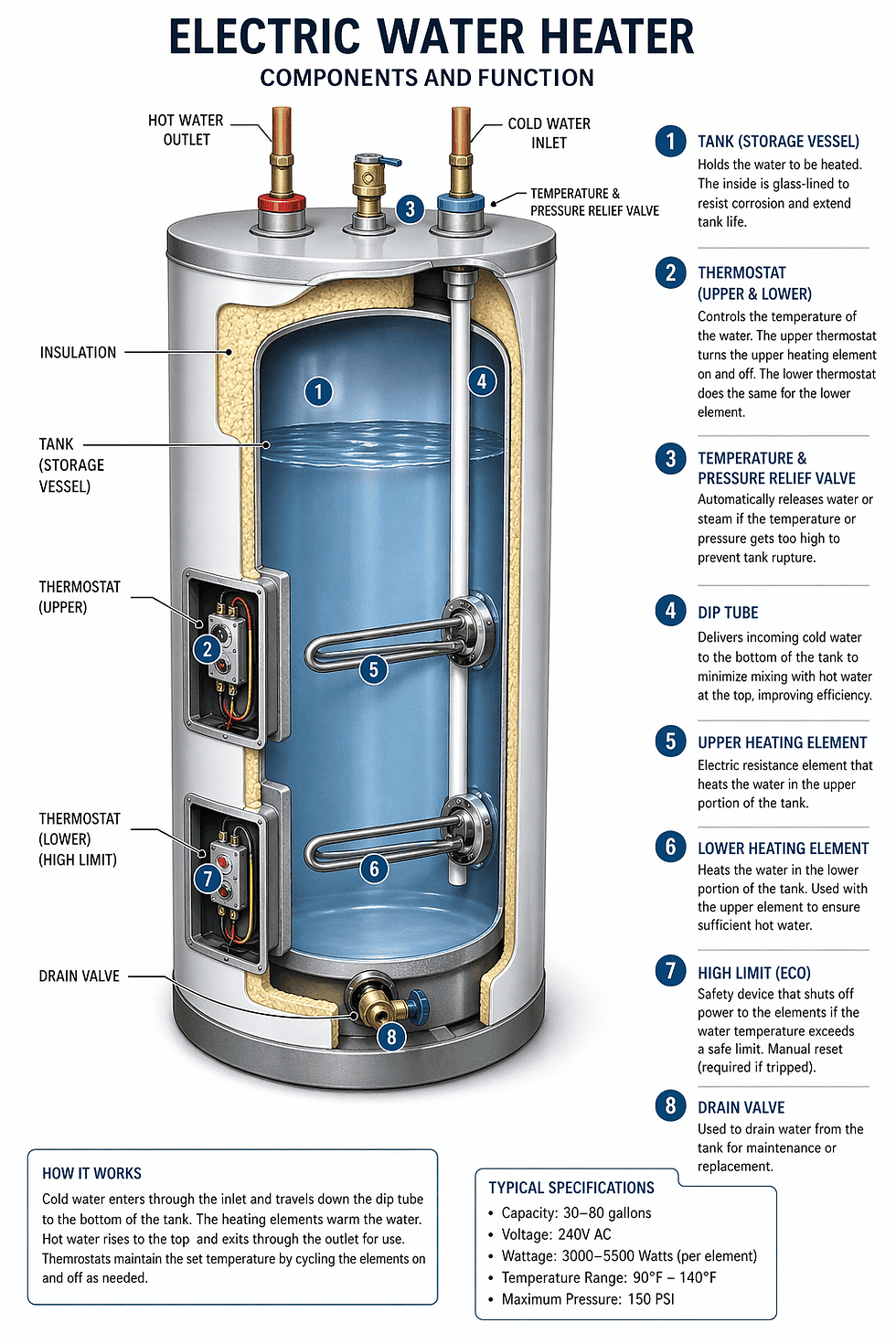
Your hot water heater is the heart of your home's water heating system. It's responsible for heating and storing hot water, ensuring it's ready when you need it. Whether you have a gas or electric water heater, the basic components remain similar.
The water heater tank holds and heats the water using either gas burners or electric heating elements. The thermostat is crucial as it controls the water temperature, preventing it from getting too hot and causing scalds. You’ll find the pressure relief valve on the side; it’s a safety feature that releases excess pressure from the tank. This valve is crucial because too much pressure can lead to dangerous situations, such as an explosion.
The drain valve is located at the bottom of the tank. It’s used to flush out sediment that naturally builds up over time. This buildup can cause your heater to work harder than it needs to, reducing efficiency and lifespan. Regular maintenance, like flushing, can keep these issues at bay. In West Boylston, where cold weather can demand a lot from your heater, maintaining these components is essential for a steady supply of hot water.
Identifying Common Hot Water Heater Problems
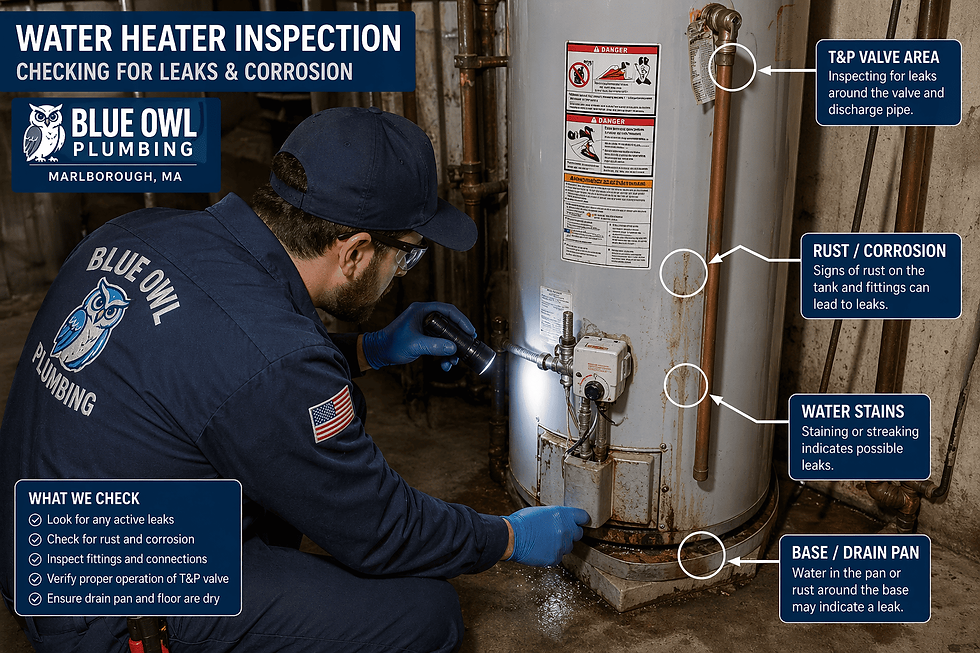
A well-functioning water heater is something you might take for granted—until it stops working. When your hot water heater acts up, a few common problems are usually to blame. Understanding these can help you diagnose issues quickly.
Firstly, if you find your home lacking hot water, a malfunctioning thermostat is often the culprit. The thermostat regulates the heating elements, and if it fails, the water won't heat properly. Another issue is strange noises emanating from the tank. These often result from sediment buildup, which causes the heating elements to overheat and make popping or rumbling sounds.
Water leaks are another frequent complaint and can indicate a faulty pressure relief valve or even a cracked tank. Both situations require immediate attention to prevent water damage. If you notice rusty water coming from your faucets, corrosion inside the tank is likely. This corrosion can affect the tank's integrity and should be addressed promptly.
Lastly, if your gas water heater’s pilot light won't stay lit, you might have a gas supply issue. This problem can be more complex, sometimes requiring professional intervention to ensure safety and proper function.
DIY Tips for Basic Water Heater Repair
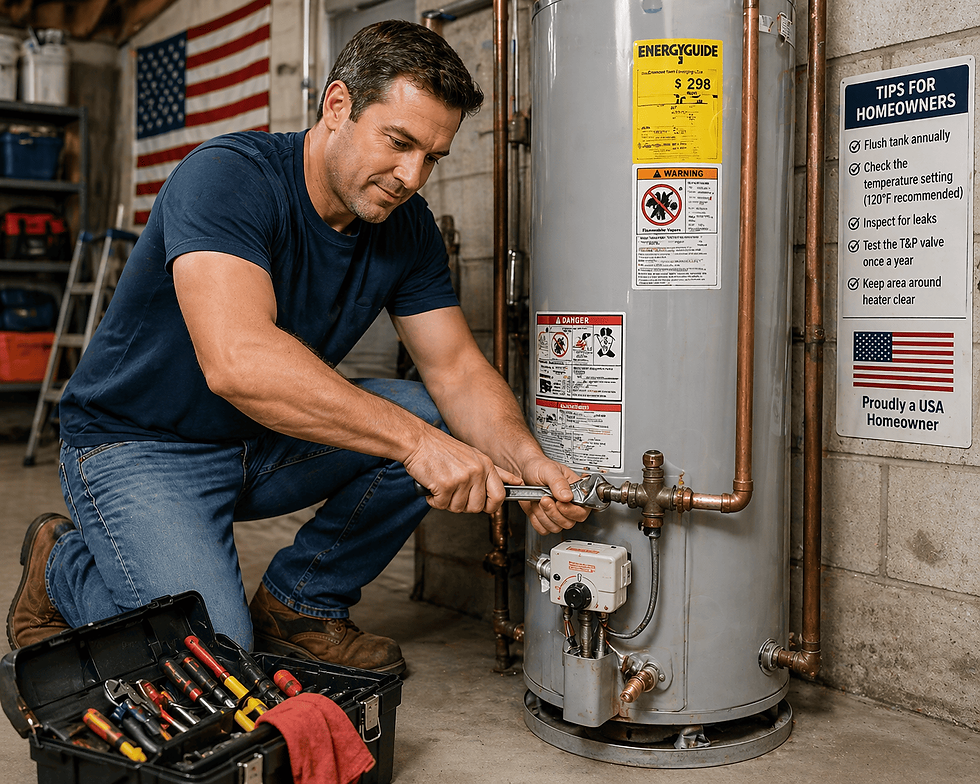
Before diving into any repairs, make sure safety is your top priority. The first step is to turn off the power supply to the water heater. For electric units, flip the circuit breaker; for gas units, turn the gas valve to the "off" position.
Next, consider flushing the tank to remove sediment. Attach a garden hose to the drain valve, direct it to a safe drainage location, and release the water. This step can improve efficiency and prolong the life of your heater. If flushing doesn’t solve your problems, replacing a faulty thermostat might restore consistent hot water flow.
Check for water leaks by inspecting all connections and tightening any loose fittings. This simple fix can prevent significant water damage. Additionally, insulating your water heater tank can reduce energy consumption and help retain heat, saving you money on utility bills.
Troubleshooting Electric Water Heater Issues
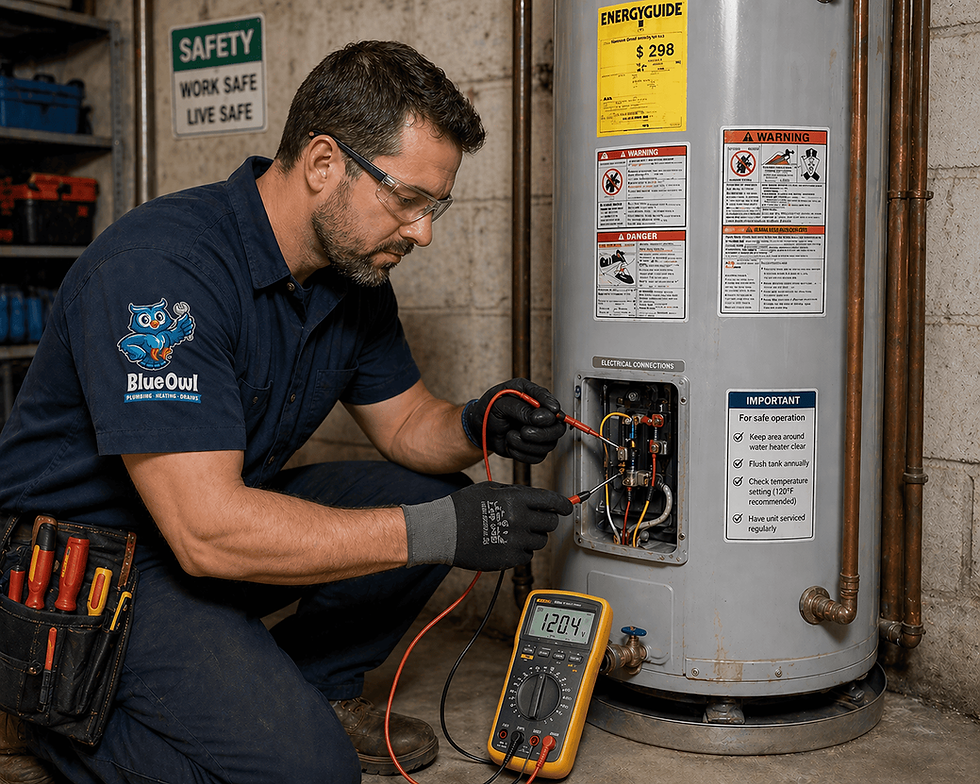
Electric water heaters have their own set of challenges, but many can be tackled with a little know-how. Start by checking the breaker to ensure it's not tripped. If it is, reset it and see if that resolves the issue.
A multimeter is a handy tool that can test the heating elements for continuity. If the multimeter shows no continuity, the element may need replacing. Sometimes, resetting the thermostat can solve inconsistent heating problems. Simply press the reset button located near the thermostat.
Regular inspections are crucial. They can help you spot minor issues before they balloon into costly repairs. If you're ever in doubt, or if these DIY steps don't solve the problem, a service call to a professional might be the best course of action.
Solving Gas Water Heater Problems Efficiently
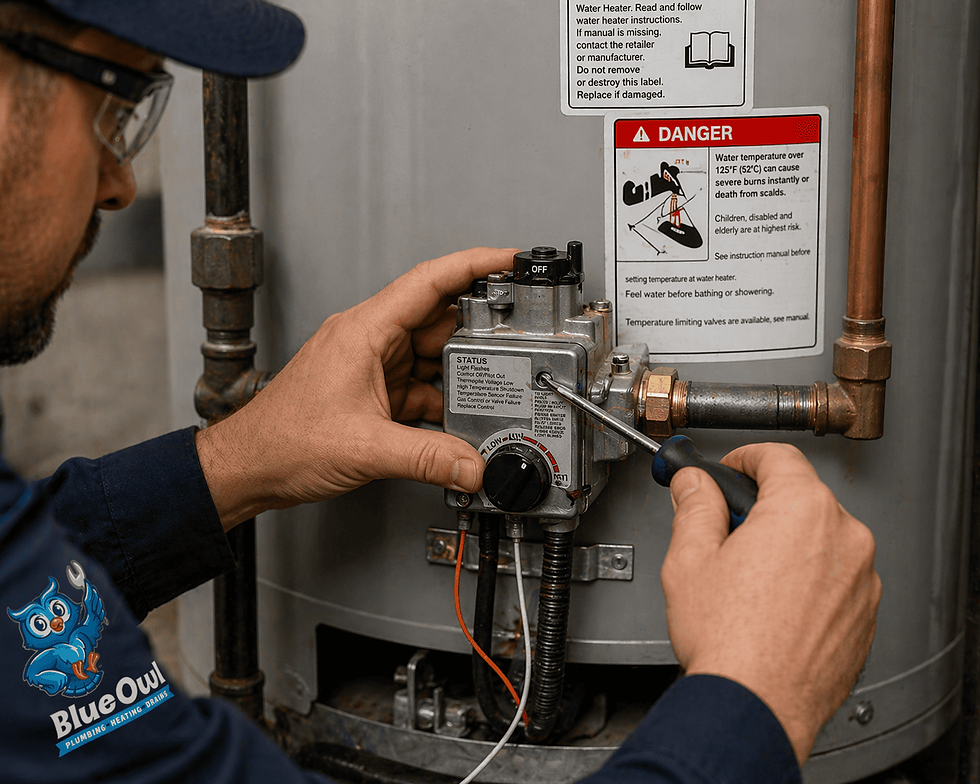
Gas water heaters have their quirks, but with a bit of persistence, you can handle many common issues. Start by checking the gas supply line for any obstructions that could impede the flow of gas. A blocked line can prevent the heater from operating properly.
Cleaning the burner assembly can improve combustion efficiency. Dust and debris can accumulate over time, affecting performance. Proper ventilation is crucial to prevent dangerous gas build-up. Ensure that the vent is clear and functioning as it should.
Adjusting the thermostat can help maintain the ideal water temperature. If the pilot light keeps going out, it might be a sign of a more serious issue, and reigniting it may not always work. In such cases, consult a professional to avoid potential hazards.
When to Call a Professional Plumber for Water Heater Service
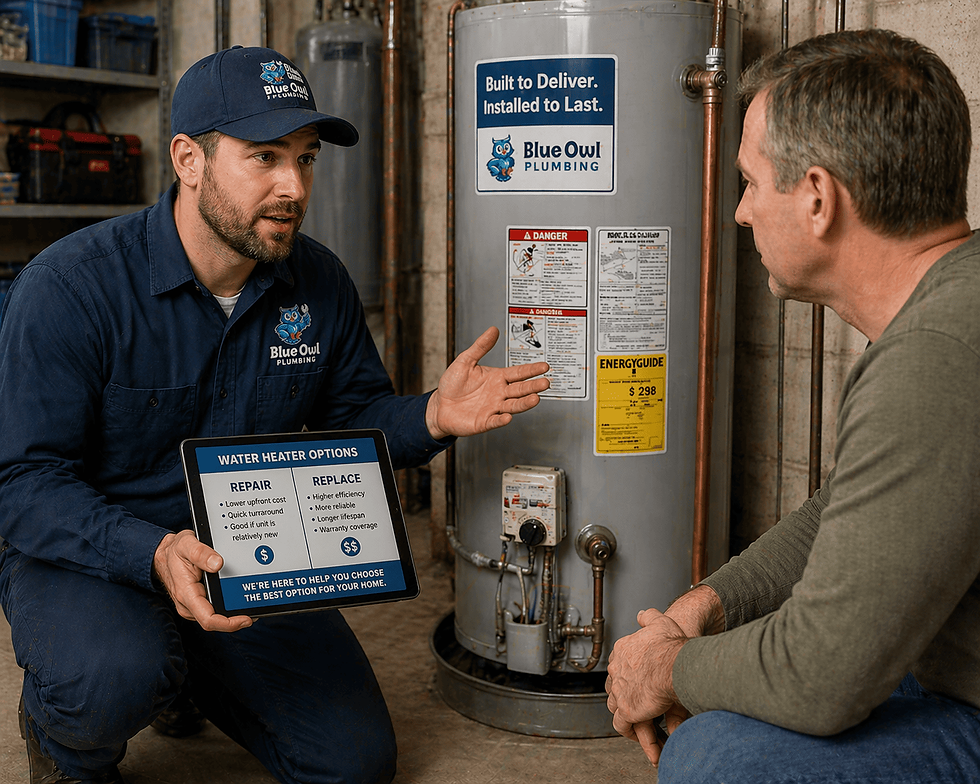
Sometimes, DIY efforts just aren't enough, and knowing when to call in a professional can save you time and money. Persistent leaks often require a plumber’s expertise to prevent serious damage. If your heater is over ten years old, it’s wise to get an expert evaluation for a possible replacement.
A pilot light that fails to stay lit after multiple attempts usually indicates a deeper problem. Similarly, if your water supply appears discolored, it could be a sign of significant internal corrosion that needs professional attention. Unfamiliar odors or noises are also red flags that warrant a service call.
In West Boylston, Blue Owl Plumbing is just a call away - "they are a hoot!" - and can provide reliable water heater services to get your system back on track.
Preventive Maintenance Tips for Your Hot Water Heater

Regular maintenance is the secret to a long-lasting water heater. Start by flushing the tank annually to remove sediment and improve efficiency. This simple act can extend the heater's lifespan and reduce the risk of problems.
Inspect the anode rod regularly to prevent internal corrosion. A corroded rod means it’s time for a replacement. Testing the pressure relief valve ensures it’s operating correctly—a vital safety check.
Set your thermostat to 120°F for optimal energy consumption. This temperature is hot enough for daily use but not so hot that it wastes energy or poses a scalding risk. Schedule professional inspections yearly to keep your heater in top shape and catch potential issues before they escalate.
Exploring Replacement Options for Your Old Heater Tank
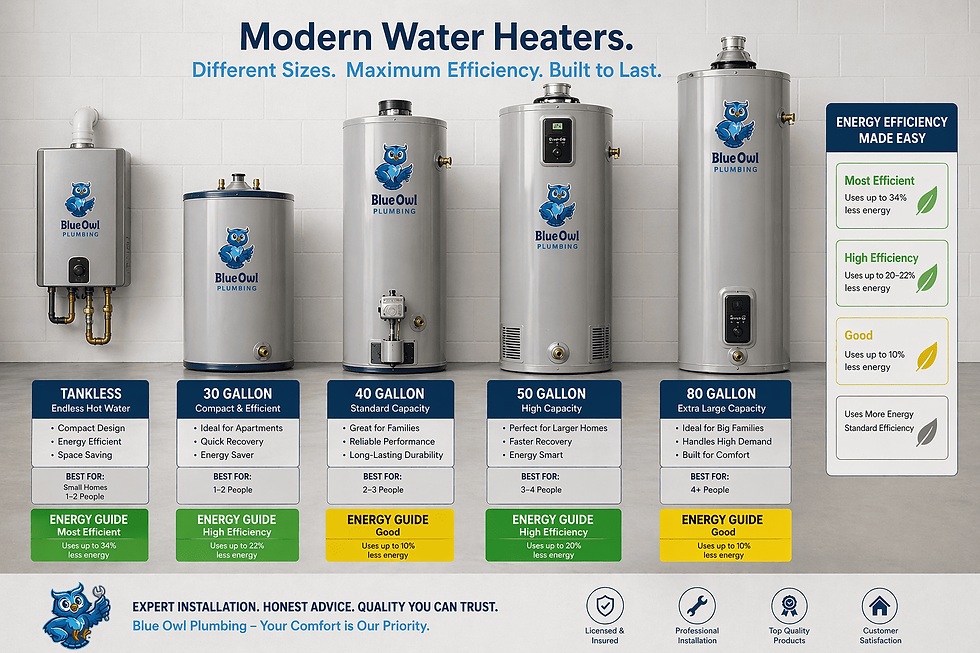
If your water heater is on its last legs, exploring replacement options can be both exciting and overwhelming. An energy-efficient model can significantly reduce utility bills, a worthwhile investment for your home.
Consider a tankless water heater, which offers continuous hot water and space savings. These models heat water on demand, so you’re not paying to keep a tankful of water hot all day. Alternatively, a solar water heater provides eco-friendly, renewable energy solutions, perfect for those looking to reduce their carbon footprint.
Choosing the right-sized tank is crucial to meet your home’s water demands without overworking the heater. Professional installation guarantees that everything is set up correctly and that you can take full advantage of any warranties.
Safety Precautions to Consider During Water Heater Repair
Safety should never take a back seat when dealing with water heater repairs. Always turn off the power or gas supply before starting any work to create a safe environment. Wearing protective gear can prevent injuries during tasks like flushing the tank or replacing components.
Before diving into repairs, check for gas leaks to avoid potential hazards. Following manufacturer guidelines is essential to maintain warranty validity. And always keep a fire extinguisher nearby, just in case an unforeseen accident occurs.
Useful Tools and Resources for Home Water Heater Repair
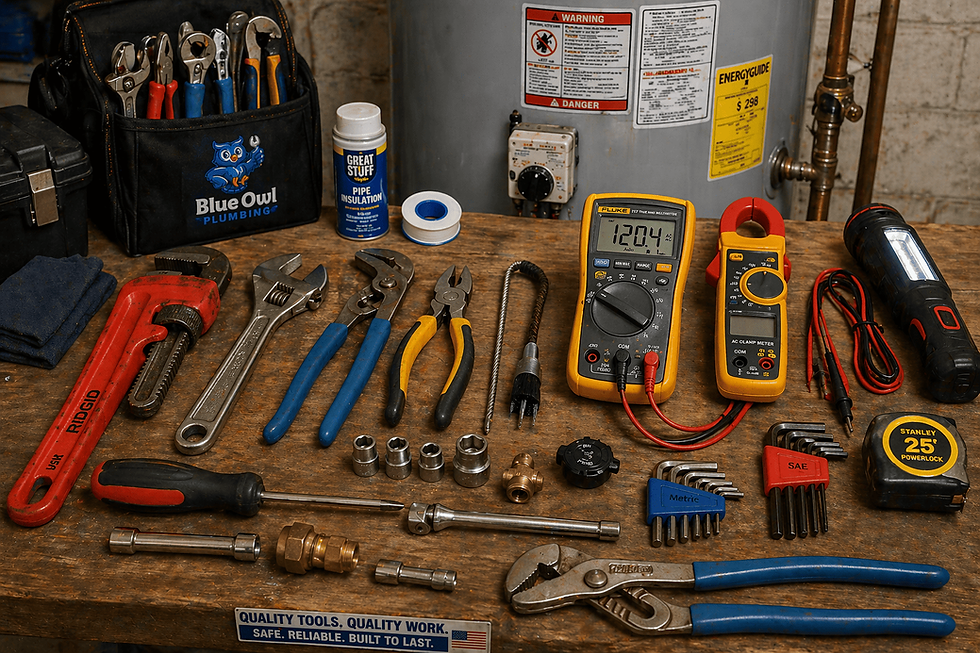
Having the right tools and resources can make all the difference in a successful repair. A multimeter is invaluable for diagnosing electrical issues, while an adjustable wrench is essential for loosening and tightening connections. Use a garden hose for efficient tank flushing.
Online video tutorials can provide visual guidance for DIY repairs, making complex tasks seem more manageable. Don't hesitate to reach out to customer service hotlines for specific product inquiries—they can offer support and answers to your pressing questions.
In conclusion, tackling hot water heater issues in your West Boylston home doesn't have to be a daunting task. With the right knowledge, tools, and a bit of elbow grease, you can keep your heater running smoothly. But remember, sometimes calling in a pro is the best decision—especially when the going gets tough. Have you faced any tricky water heater problems lately? Share your experiences or questions with us!
Frequently Asked Questions
What is the most common problem with a hot water heater?
The most frequent issue with water heaters is a lack of hot water or water that isn't hot enough. This often stems from problems with the thermostat settings, sediment buildup, or a malfunctioning heating element. Regular maintenance, like flushing the tank and checking the thermostat, can help prevent these issues. Keeping an eye on your water heater’s performance can save you from unexpected cold showers and help extend its lifespan.
Do you call a plumber to fix a hot water heater?
Yes, calling a plumber is a smart move for most water heater issues. While some minor problems, like adjusting the thermostat, can be tackled by handy homeowners, more complex issues often require professional expertise. A licensed plumber can diagnose and fix problems safely and efficiently, ensuring your water heater runs smoothly. They can also advise on whether a repair or replacement is more cost-effective.
How many years do water heaters usually last?
Water heaters typically last between 8 to 12 years, but this can vary based on factors like maintenance, water quality, and usage. Regular maintenance, such as annual flushing and checking the anode rod, can extend your heater’s life. If your water heater is over a decade old and frequently needs repairs, it might be time to consider a replacement to improve efficiency and reliability.
Is it worth it to repair a hot water heater?
Repairing a water heater can be worthwhile if the unit is relatively new and the repair costs are reasonable. For older units or those with expensive repair needs, replacement might be a more cost-effective option. Consider the age of your water heater and the frequency of past repairs. Consulting a professional can provide clarity on whether a repair or replacement will offer better value in the long run.


Comments