
Low Water Pressure Problems in West Boylston: Essential Troubleshooting Tips That Work
Low water pressure can make simple daily tasks frustrating, from taking a shower to washing dishes or doing laundry. For many West Boylston homeowners, weak water flow is often a sign of underlying plumbing problems such as mineral buildup, aging pipes, hidden leaks, or faulty pressure regulators. The good news is that many water pressure issues can be identified early and resolved before they turn into costly plumbing repairs. In this guide, we’ll cover the most common causes of low water pressure in West Boylston homes, practical troubleshooting steps, and when it’s time to call a professional plumber for help.
What You Need to Know About Water Pressure Problems in West Boylston
Dealing with low water pressure? Here's what West Boylston homeowners should check first:
• Start with a pressure test - Grab a pressure gauge from the hardware store and test at your outdoor faucet. Readings under 40 psi mean you've got a problem that needs fixing.
• Look at your main valves - Those partially closed shutoff and meter valves cause more headaches than you'd think. They get bumped during repair work and suddenly your whole house has weak flow.
• Clean those fixtures regularly - Soak your faucet aerators and showerheads in vinegar every few months. Those calcium deposits build up fast and choke your water flow.
• Know when pipes need replacing - Got galvanized pipes from before the 1960s? They're corroding from the inside out, and the problem only gets worse with time.
• Don't struggle alone with complex issues - When your whole house has low pressure, you need a professional with the right tools to find what's really going wrong.
Most pressure problems come from old pipes, mineral buildup, or failing pressure regulators. The sooner you tackle it, the less it'll cost you down the road.
Nothing ruins your morning like stepping into a shower that barely trickles. Low water pressure in your West Boylston home turns everyday tasks into exercises in patience. That weak stream from your kitchen faucet isn't just annoying - it's telling you something's wrong with your plumbing.
The good news? Most pressure problems have clear causes. Mineral deposits clog up your pipes, those old galvanized pipes corrode after decades of use, and sometimes city water issues or seasonal demand just overwhelm the system. Once you know what's causing the trouble, you can fix it.
We'll walk you through the troubleshooting steps that actually work for West Boylston residents, plus show you when it's time to call in the pros.
What's Really Behind Your Low Water Pressure Issues
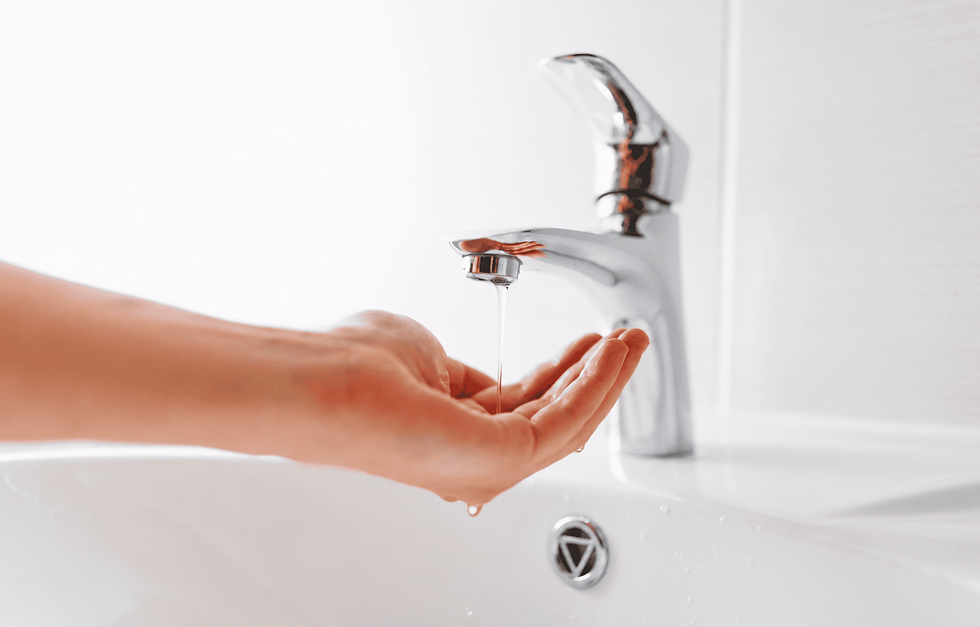
Water pressure is the force pushing water through your pipes. Normal pressure runs between 40-80 psi. Drop below 40 psi and you've got a problem. Here's something important: pressure and flow are different things. You can have good pressure but poor flow when pipes get clogged or corroded.
Got an older West Boylston home? Those galvanized pipes from before the 1960s are likely your culprit. These pipes rust from the inside out. Rust flakes build up at pipe joints and corners, making your water passages narrower and narrower. That protective zinc coating wears away, leaving bare steel that rusts and can mess with your water quality. Hot water and acidic conditions make this worse.
Your pressure regulator might be the problem too. These devices control how much pressure comes into your house, but they don't last forever - expect about 10-15 years before they start failing. Minerals clog up the inside parts while springs and seals wear out. When they go bad, you'll see pressure drops throughout your whole house, especially when your neighbors are using water.
Sometimes the issue isn't even in your house. Water main breaks happen. Peak usage times hit hard during morning and evening hours. Maintenance work disrupts service. West Boylston's older infrastructure can struggle during high-demand periods. Don't forget to check those valves at your meter and main shutoff - repair crews sometimes leave them partially closed.
Simple Steps to Figure Out Your Water Pressure Problem

Want to know what's really going on with your water? Start by testing the actual pressure levels. Pick up a water pressure test gage from any hardware store and connect it to an outdoor faucet closest to your water meter. Make sure you turn off everything first - all indoor faucets, showerheads, dishwashers, washing machines, and irrigation systems before you test. You're looking for readings between 45 to 55 psi. Anything below 40 psi means you've got a problem that needs fixing.
Next, check your main shutoff valve. Find it near where water enters your home and make sure it's completely open. Ball valves should line up with the pipe; gate valves need to be turned counterclockwise until they stop, then back a quarter turn. Don't forget the water meter valve - partial closure after plumbing work can restrict flow throughout your entire house.
Here's a trick to test for hidden leaks: shut off all water appliances and close your main valve. If pressure drops more than three psi within an hour, you've got a leak somewhere. Check your water meter while no water is running; if it keeps moving, that confirms you have leakage.
Got issues with specific fixtures in your West Boylston home? Remove those faucet aerators and showerheads. Soak them in vinegar to dissolve mineral deposits, give them a good scrub, and put them back. Also worth checking - are your neighbors having the same problems? If it's happening citywide, you'll need to contact your water provider.
Solutions That Actually Fix Your Water Pressure Problems

Your pressure regulator might need a simple adjustment to get things flowing properly again. Find the regulator near your main water line - it's usually preset between 45-55 psi from the factory. Loosen the locknut and turn the adjustment screw clockwise to boost pressure or counterclockwise to lower it. Make small quarter-turn adjustments and wait 10-30 seconds between each one for the system to stabilize. Keep your residential pressure between 40-60 psi for best results.
Hard water creating mineral buildup? A water softener system stops calcium and magnesium deposits before they clog your pipes. This tackles one of the main reasons your water pressure drops in the first place, especially in areas with hard water. Your pipes stay cleaner longer.
Pipe replacement makes a huge difference when old pipes are the problem. New piping gives you smooth interior surfaces that water flows through easily. Properly sized pipes also balance pressure between all your fixtures. You'll notice the improvement right away - stronger showers, faster-filling sinks, and appliances that work like they should.
Need more pressure throughout your whole house? A pressure booster pump handles chronic low pressure issues when your municipal supply just isn't cutting it. These systems bump pressure from around 35 psi up to about 50 psi, giving you consistent flow everywhere in your home. Multi-stage pumps can deliver 100-200 psi above what's coming in. Just make sure a professional sizes and installs it correctly to avoid straining your system.
Call an Experienced Plumber to Sort Out Your Water Pressure Today
If your home’s water pressure suddenly drops or your troubleshooting efforts haven’t solved the issue, it’s time to call the professionals at Blue Owl Plumbing. Our experienced West Boylston plumbers specialize in diagnosing and repairing low water pressure problems quickly and effectively. From weak shower flow to slow-filling sinks and inconsistent water pressure throughout the house, we can identify the root cause and restore reliable performance to your plumbing system.
Low water pressure often affects multiple fixtures at once, including faucets, toilets, dishwashers, and water heaters. Strange noises like banging pipes or gurgling drains may point to hidden plumbing issues such as trapped air, sediment buildup, or leaking pipes. If you notice cloudy or discolored water along with pressure problems, professional attention is especially important to protect your home’s water quality and plumbing system.
At Blue Owl Plumbing, our licensed plumbers use advanced diagnostic tools, leak detection equipment, hydro jetting technology, and camera inspections to accurately locate and fix water pressure issues. Whether the problem stems from mineral buildup, aging pipes, hidden leaks, or faulty pressure regulators, our team provides lasting solutions — not temporary fixes.
Homeowners in West Boylston trust Blue Owl Plumbing for dependable service, honest recommendations, and quality workmanship. By addressing water pressure issues early, you can prevent more serious plumbing damage, improve water flow throughout your home, and keep your plumbing system running efficiently year-round.


Comments